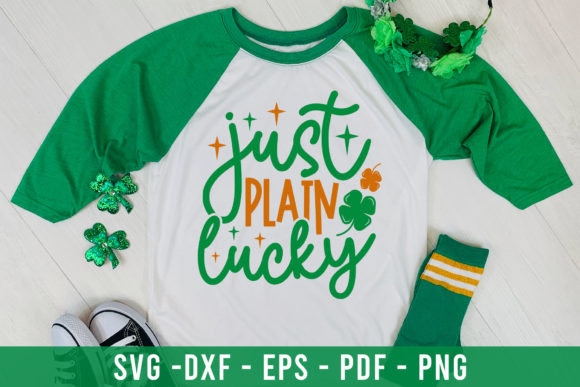
Just Plain Lucky SVG, DXF, PNG, EPS, PDF
As an embroidery designer and product reviewer, I’ve evaluated countless machine embroidery designs, but few have the versatility and charm of Just Plain Lucky SVG, DXF, PNG, EPS, PDF. This St. Patrick’s Day design is a go-to for anyone looking to add a touch of luck and celebration to their craft business or personal projects.
First Impressions: A Design That Speaks with Simplicity
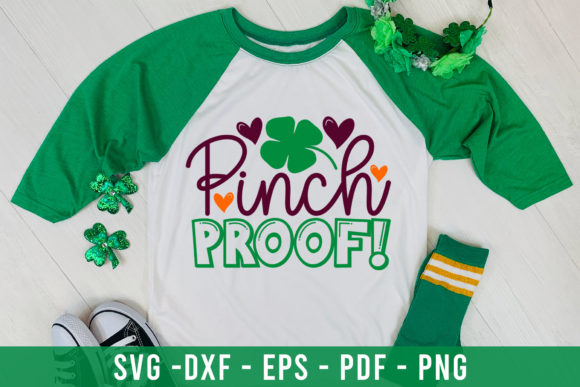
The first thing that stands out about Just Plain Lucky SVG, DXF, PNG, EPS, PDF is its clean, straightforward aesthetic. It’s not overly complex, which makes it perfect for a wide range of applications. The layout is balanced, with a central motif that feels both modern and nostalgic—ideal for a holiday theme without being too flashy.
The two versions, including the black color option, give flexibility for different fabric types and design needs. Whether you’re working on a custom apparel piece or a printable mockup, this design adapts well. Its simplicity also means it can be easily modified or paired with other elements without clashing.
Real-World Use: From Tote Bags to Holiday Gifts
I recently used Just Plain Lucky SVG, DXF, PNG, EPS, PDF on a custom embroidered tote bag for a small shop client. The design looked great on a light-colored cotton fabric, with clear stitch lines and a polished finish. It was easy to hoop and didn’t require excessive stabilizer, which is a big plus for quick production runs.
This design works especially well on sweatshirts, baby clothes, and aprons. The lack of intricate details makes it suitable for smaller hoop sizes, which is helpful if you’re working with limited space or need to fit multiple designs on a single garment. However, I would advise caution when using it on thin or stretchy fabrics, as the stitches might show more prominently or cause distortion.
For holiday gifts, like personalized mugs or cards, Just Plain Lucky SVG, DXF, PNG, EPS, PDF adds a nice touch without overwhelming the item. It’s also a solid choice for embroidered patches, where the clean lines translate well into applique or satin stitch work.
Where to Be Careful: Practical Considerations
While this design is versatile, there are a few areas where extra care is needed. If you're planning to use it on dark fabrics, the black version will stand out nicely, but on lighter colors, you may want to test thread color contrast to ensure visibility. For textured or stretchy materials, a bit more stabilizer might be necessary to prevent puckering or shifting during stitching.
When working with curved surfaces like caps or baby onesies, the design’s simplicity helps it conform better than more detailed patterns. However, if you’re aiming for something with a lot of small details or tight corners, this design might not be the best fit. It’s also worth noting that if you plan to use it in commercial embroidery projects, you should always check the licensing terms before selling finished products or digital files.
Impact on Visual Appeal and Customer Perception
Just Plain Lucky SVG, DXF, PNG, EPS, PDF has a strong visual presence that doesn’t rely on complexity. It’s the kind of design that looks professional and polished, which is essential for handmade products or boutique merchandise. Customers often appreciate clean, recognizable designs that feel intentional and well-crafted.
Using this design can boost the perceived value of your finished product. Whether it’s a custom t-shirt for a client or a gift for a friend, the clarity of the stitches and the consistency of the design contribute to a more professional appearance. It also enhances brand recognition, especially if you’re using it across multiple items in your craft business.
Practical Designer Notes: What to Check Before Using
Before finalizing any project with Just Plain Lucky SVG, DXF, PNG, EPS, PDF, I recommend testing it on scrap fabric. This helps you see how the stitches look in real life and whether the design translates well to your chosen material. Checking thread color contrast is equally important—especially if you’re using it on light-colored garments.
Reviewing the stitch density is another key step. If the design is too dense, it might cause stiffness or discomfort on certain fabrics. Confirming the correct hoop size ensures that the design fits comfortably and doesn’t get distorted during stitching. For small details, like lettering or intricate elements, double-checking the clarity is crucial.
Testing the design in black and white mockups can also help you visualize how it will appear on different backgrounds. Comparing it against both light and dark fabrics gives you a better idea of its adaptability. Using the right stabilizer and ensuring proper tension settings will make a big difference in the final outcome.
Conclusion: A Reliable Choice for Many Projects
Just Plain Lucky SVG, DXF, PNG, EPS, PDF is a solid addition to any embroidery designer’s toolkit. Its simplicity, adaptability, and clean lines make it ideal for a variety of projects, from custom apparel to holiday gifts. Whether you’re an Etsy seller, a small shop owner, or a hobbyist, this design offers practical value without sacrificing style.
As with any embroidery file, it’s important to do your due diligence before using it in commercial or client projects. But if you take the time to test and adjust, Just Plain Lucky SVG, DXF, PNG, EPS, PDF can be a reliable and appealing asset for your craft business or creative endeavors.